

Abuja Phases 1, 2 and 3: Understanding the Capital City’s Real Estate Growth Corridors
Abuja’s Master Plan: Why the City Was Divided into Phases
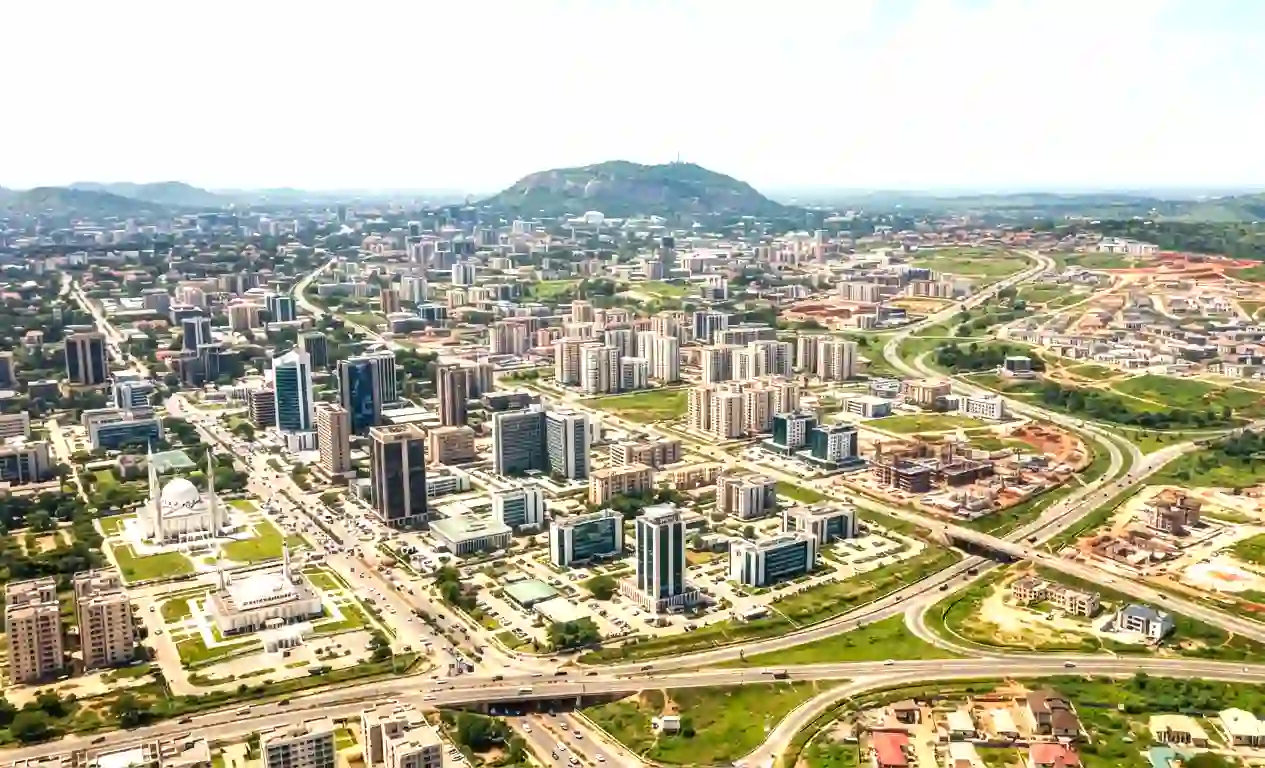
Unlike many Nigerian cities that evolved organically, Abuja was carefully designed under a master plan. The city was divided into development phases to ensure orderly growth, infrastructure delivery, and sustainable urban expansion.
Abuja Phase 1: The Premium Investment Zone
Districts:
Asokoro, Central Area, Garki, Garki II, Guzape, Maitama, Wuse, Wuse II.
Why Investors Love Phase 1:
- Highest land appreciation rates
- Premium infrastructure
- Strong rental demand
- High security
- Prestige and exclusivity
Abuja Phase 2: The Expansion and Growth Corridor
Districts:
Apo-Dutse, Dakibiyu, Duboyi, Durumi, Gaduwa, Gudu, Jabi, Jahi, Kado, Katampe, Kaura, Kukwaba, Mabushi, Utako, Wuye.
Why Investors Love Phase 2:
- Better affordability than Phase 1
- Strong residential demand
- Continuous infrastructure development
- High appreciation potential
Abuja Phase 3: The Future of Affordable Growth
Districts:
Bunkoro, Dakwo, Dape, Galadimawa, Gwarinpa, Industrial Area, Kabusa, Kafe, Karmo, Life Camp, Lokogoma, Nbora, Okanje, Pyakasa, Saraji, Wumba, Wupa.
Why Investors Love Phase 3:
- Lower entry costs
- Larger land availability
- Rapid urban expansion
- Long-term investment opportunities
Comparing Abuja Phases 1, 2 and 3
Phase 1 offers prestige and premium returns.
Phase 2 offers a balance between affordability and growth.
Phase 3 offers high-growth opportunities and future appreciation.
Conclusion
Whether you are seeking luxury, balanced growth, or future-focused investments, Abuja’s Phases 1, 2, and 3 each present unique opportunities. Understanding these growth corridors is key to making informed real estate investment decisions.